Strong bones and comfortable joints carry us through every walk, climb and stretch of the day. While movement and regular check-ups matter, your plate is one of the easiest places to start supporting your skeleton. The right foods supply the minerals, vitamins and healthy fats your body uses to maintain bone strength and calm everyday stiffness.
Dairy and fortified alternatives
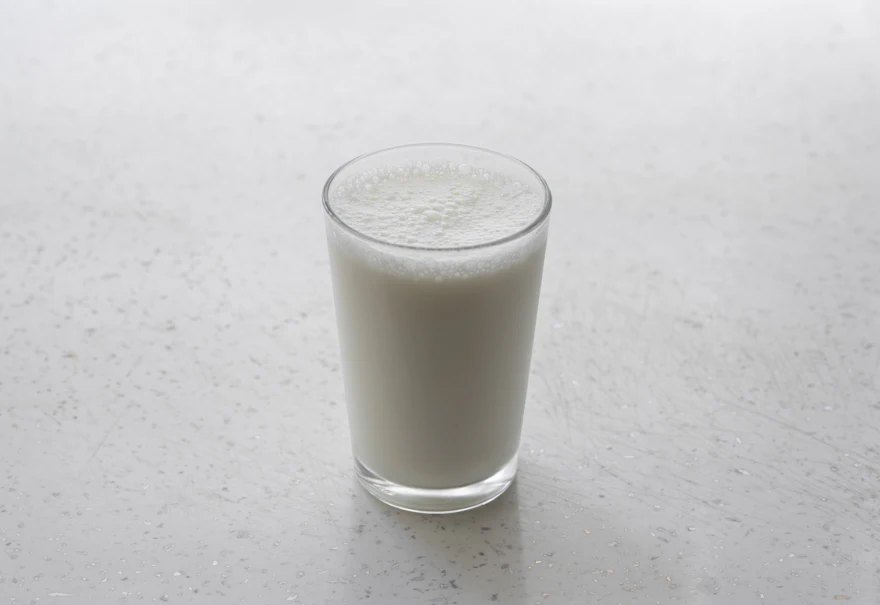
Milk, yogurt and cheese are well-known sources of calcium, the mineral your bones rely on most. If you avoid dairy, look for fortified plant milks, tofu made with calcium and fortified cereals. Pairing these foods with a source of vitamin D helps your body absorb the calcium more effectively.
Leafy greens and colorful vegetables
Kale, collard greens, broccoli and bok choy deliver calcium along with vitamin K, which supports healthy bone formation. Brightly colored vegetables also bring antioxidants that may help the body manage inflammation around the joints.
- Add greens to breakfast by folding spinach into eggs or blending kale into a smoothie.
- Roast a tray of vegetables at the start of the week for quick, nourishing sides.
- Choose a rainbow — different colors offer different protective nutrients.
Oily fish, nuts and seeds
Salmon, sardines and mackerel provide omega fatty acids and vitamin D, both helpful for joint comfort and bone health. Walnuts, chia seeds and flaxseeds are excellent plant-based options to sprinkle over salads, oats and yogurt.
Bones are living tissue. Feed them well, keep them moving, and they will keep supporting you.
Beans, lentils and whole grains
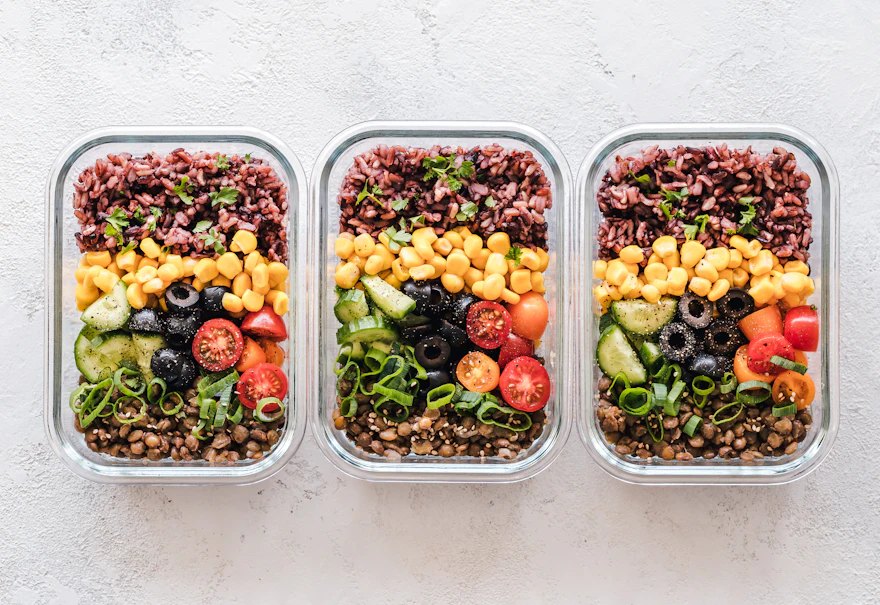
These pantry staples supply magnesium, potassium and plant protein, which work alongside calcium to maintain a sturdy skeleton. They also keep you full and support a healthy weight, which reduces extra pressure on the knees and hips.
Go easy on the extras
Too much salt, sugary drinks and heavily processed foods can work against bone health over time. Enjoy them occasionally, but let whole foods make up most of your meals.
This article is for general education only. If you have joint pain or concerns about bone density, please speak with a healthcare professional for personal advice.